

From the Principal
Renewing Curiosity – Shaping the Future
New Fellows, new questions, a clearer vision
As the new academic year begins, SCAS welcomes another exceptional cohort of Fellows—researchers, writers and thinkers from around the world, bringing new perspectives, questions and intellectual energy to the Collegium. Their arrival once again renews what SCAS does best: creating a vibrant environment for inquiry, exchange and discovery, where scholars have the time and freedom to pursue questions with curiosity, openness and intellectual independence.
At a time when the world urgently needs constructive ideas, critical reflection and the capacity to think beyond established frameworks, the importance of such an environment has rarely been clearer. The arrival of each new cohort is therefore a reaffirmation of the value of free and independent inquiry—and of the contribution that such inquiry can make to society.
By bringing together scholars who might otherwise never meet, the Collegium creates conditions for unexpected encounters, new questions and new forms of understanding. It strengthens the foundations of epistemic freedom and resilience by sustaining research whose value need not be demonstrated in advance, but emerges through openness, uncertainty and the willingness to ask different questions. In this way, SCAS helps nurture knowledge that deepens our understanding of—and our capacity to respond to—the challenges of our time.
A clearer direction for the next chapter
The new academic year also marks an important moment as we look towards the next phase of the Collegium’s development. Our new strategic plan starts from profound changes in the conditions under which research, higher education and knowledge are produced and circulated.
Geopolitical tensions are reshaping international academic collaboration and mobility. Funding landscapes are changing. Academic freedom is under pressure in many parts of the world. Rapid technological developments, including artificial intelligence, are transforming scholarly practices, while universities and research institutions face growing expectations to demonstrate relevance, impact and measurable outcomes.
These developments present real challenges. But they also reinforce the importance of institutions such as SCAS. When the conditions for knowledge production are changing rapidly, we need places where scholars can step back from immediate pressures and pursue questions whose significance may not yet be fully visible.
Our strategic plan builds on the considerable strengths SCAS has developed over four decades: an internationally recognized fellowship model, extensive global networks, thematic initiatives, and a strong capacity to convene scholars and create conditions for generative exchange. At the same time, it gives us a clearer direction for the years ahead.
We will strengthen our organizational capacity to develop our fellowship programmes and thematic initiatives, driven by a free spirit of inquiry and a capability to address urgent societal questions through rigorous research. We will draw on our established networks and partnerships to strengthen collaboration and extend our international reach. And we will continue to invest in the Collegium as a distinctive intellectual environment—one that connects multidisciplinary expertise and different ways of knowing.
At the heart of the strategy is a commitment to continuity with renewal. SCAS will remain firmly committed to independent research and to the spirit of inquiry that has defined the Collegium since its establishment. But continuity does not mean standing still. It means remaining attentive to the changing conditions in which research takes place, strengthening connections across disciplines and institutions, and exploring new ways to contribute to knowledge that is both intellectually transformative and relevant to society.
Ultimately, we aim to help sustain the broader conditions that make independent research possible—and to ensure that those conditions continue to generate knowledge capable of opening new ways of seeing and thinking.
This is why welcoming a new cohort of Fellows is such an important moment each year. Their presence reminds us that research flourishes when people have the freedom to follow their curiosity, challenge assumptions, encounter unfamiliar perspectives and think together. It also reminds us of what SCAS can contribute: not ready-made answers, but the conditions from which new questions, new insights and new possibilities can emerge.
We invite our academic community to meet our new Fellows, explore the questions they bring to SCAS, and join us for the events and conversations ahead. We look forward to continuing the exchange—and to thinking together about the future of knowledge.
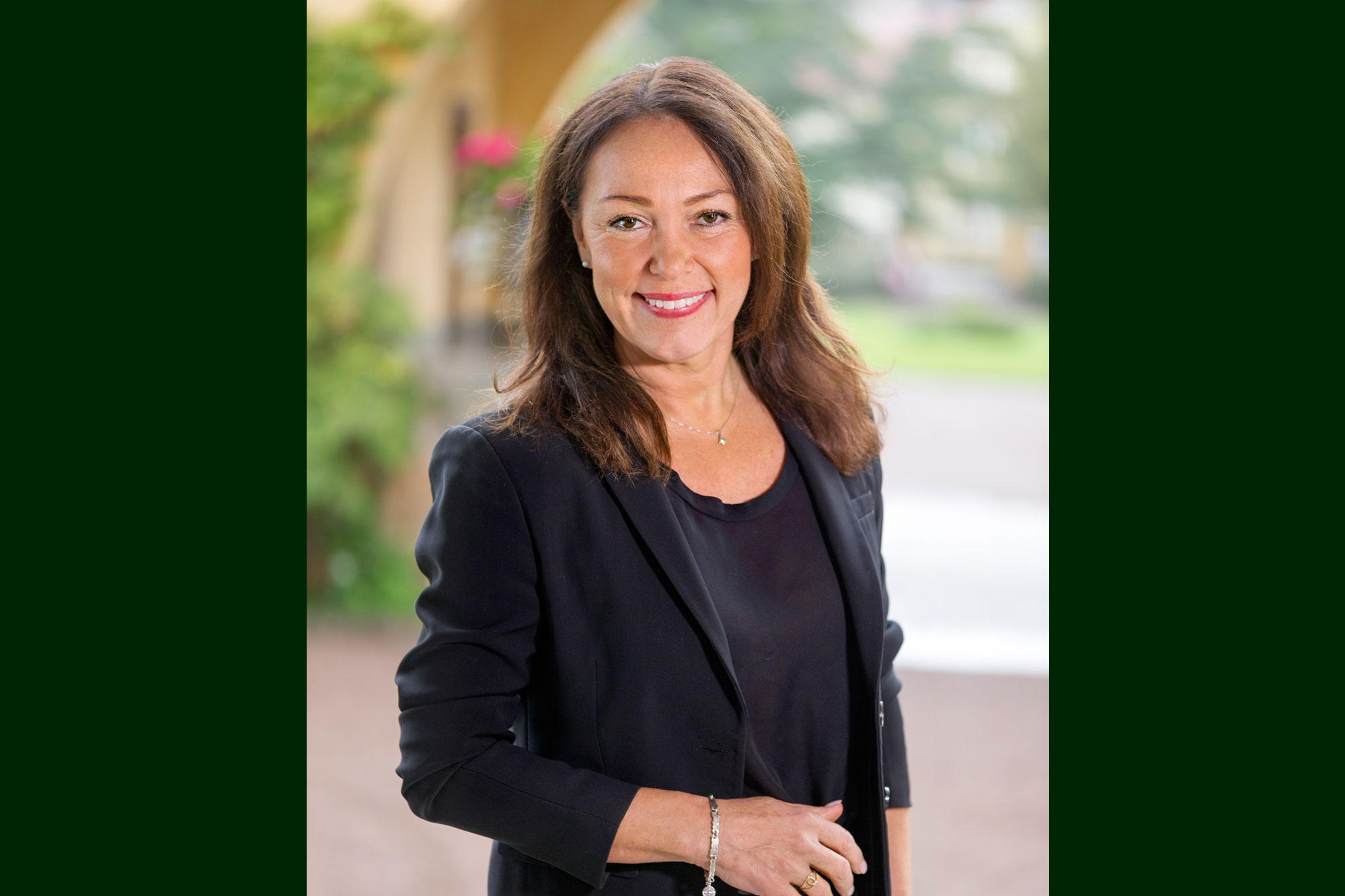
Written by SCAS Principal Christina Garsten