

SCAS Participates in the NetIAS Annual Meeting in Marseille
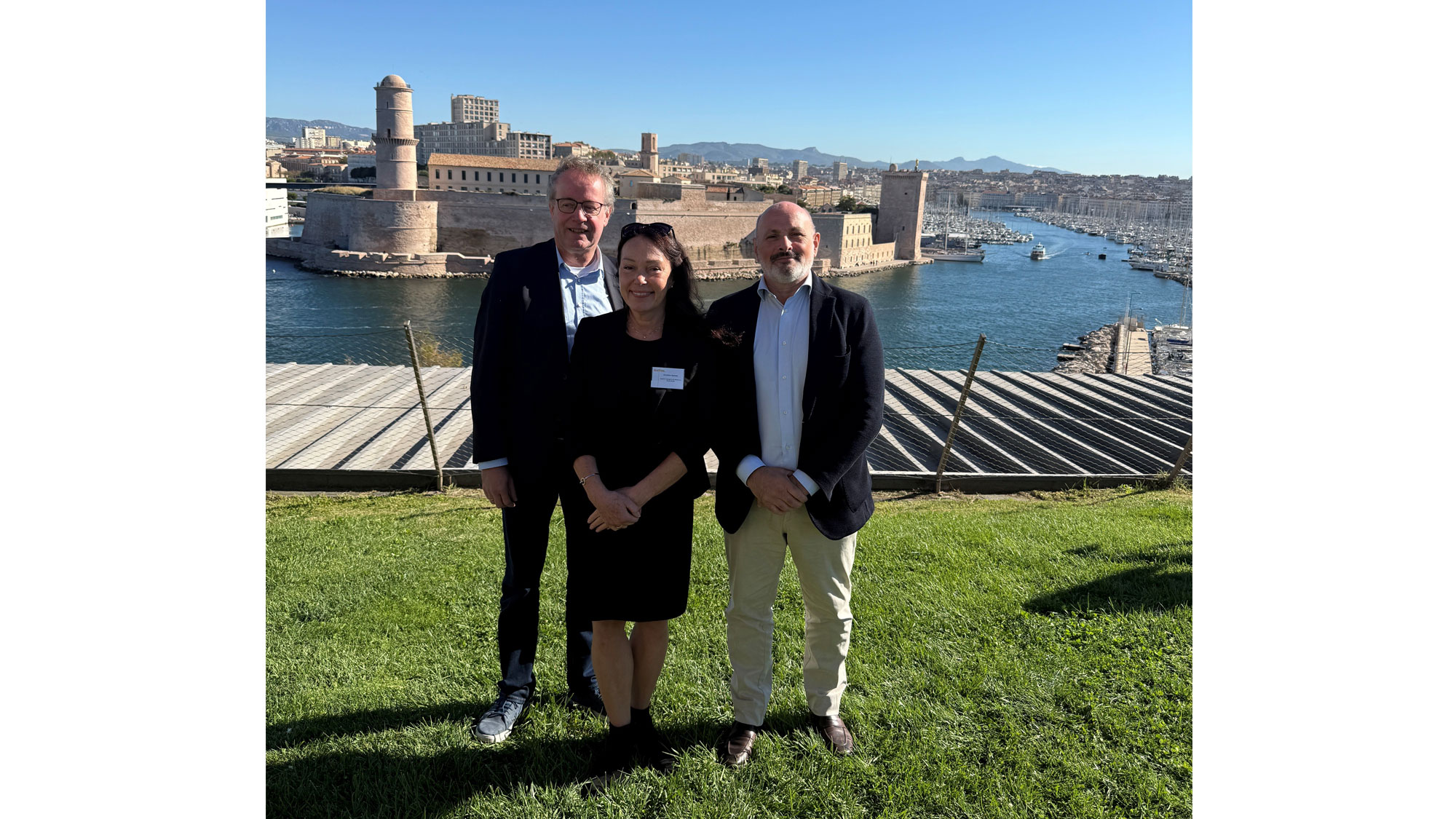
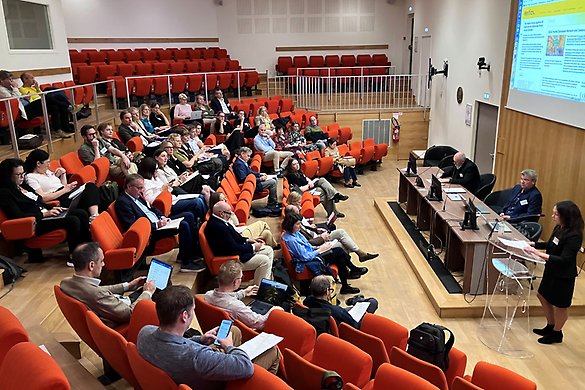
The 2026 Annual Meeting of the European Network of Institutes for Advanced Study (NetIAS) brought together representatives of Institutes for Advanced Study from across Europe in Marseille earlier this week. Hosted by Iméra, the meeting provided an opportunity to discuss current developments across the network and to reflect on the role of IASs in a changing academic and international landscape.
The Discussions
Academic freedom and research integrity, interdisciplinarity and international scholarly cooperation were among the central themes. Participants discussed how IASs can continue to provide spaces for independent and ambitious scholarship at a time of geopolitical tensions, increasing pressures on academic freedom and growing fragmentation in international research cooperation.
Interdisciplinarity was an important focus of the discussions. Participants considered how IASs can create meaningful encounters between disciplines and intellectual traditions, and how different forms of knowledge and expertise can be brought into conversation. The discussions also highlighted the importance of international exchange and the relationships of trust that develop when scholars are given time and space to think and work together.
A New NetIAS Presidency
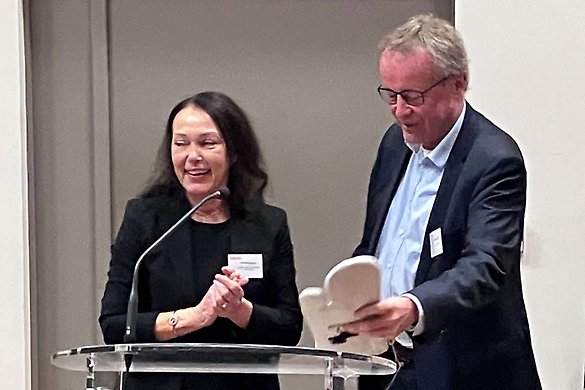
The meeting in Marseille also marked a transition for the network, as Christina Garsten, Principal of SCAS, concluded four years as President of NetIAS and passed on the presidency to Ralf von den Hoff, Director of the Freiburg Institute for Advanced Studies (FRIAS).
In her remarks to the NetIAS community, Garsten reflected on the role that Institutes for Advanced Study and the network can play at a time when international academic cooperation is facing new pressures. She emphasised that IASs are not only places for individual scholarship, but environments in which relationships, intellectual exchange and new forms of collaboration can develop.
“Indeed, one might argue that institutes for advanced study have become among the few genuinely global meeting places remaining in academia. Our fellows do not only share seminars and conversations, offices and meals, disagreements and discoveries. They develop relationships that often outlast a fellowship and connections that no strategic partnership agreement can create on its own.”
She also stressed the importance of preserving spaces in which scholars can explore questions without knowing in advance where they will lead: “The future of scholarship depends not only on the efficient production of knowledge. It also depends on our collective capacity to generate knowledge that does not yet exist. It depends on creating spaces where new questions can be asked, where intellectual risks can be taken, and where scholars can imagine possibilities beyond established paradigms.”
Looking to the future of NetIAS, Garsten described the network as “much more than a collection of institutions”, but as “a community dedicated to sustaining the conditions under which ambitious, independent, and internationally connected scholarship can flourish.”
SCAS wishes Ralf von den Hoff all the best as he takes on the NetIAS presidency. The Collegium will continue its active commitment to the network, not least through the coordination of Constructive Advanced Thinking (CAT), a flagship NetIAS initiative supporting international and interdisciplinary teams of early-career researchers.
Text by Ellen Werner